See it in actionTry it out

Home/Industries/Trade businesses

Business systems built around your trade software and working day.

The phone rings when your hands are full, so the enquiry waits until you're off the tools, and so does the quote. In most trade businesses that means both wait for 9pm. We build the systems that do that work during the day, while you're on site.

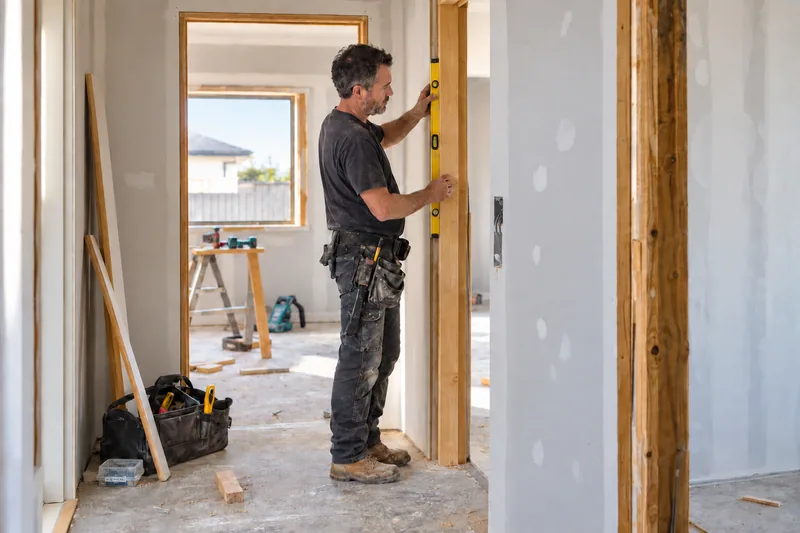
A carpenter checking a door jamb with a spirit level during a renovation
On the tools. Still looking after enquiries.

Keep calls, quotes and the next booking moving around the job.

Where the office work goes while you're on the tools.

The calls get returned and the quotes get written. The trouble is when, and by whom.

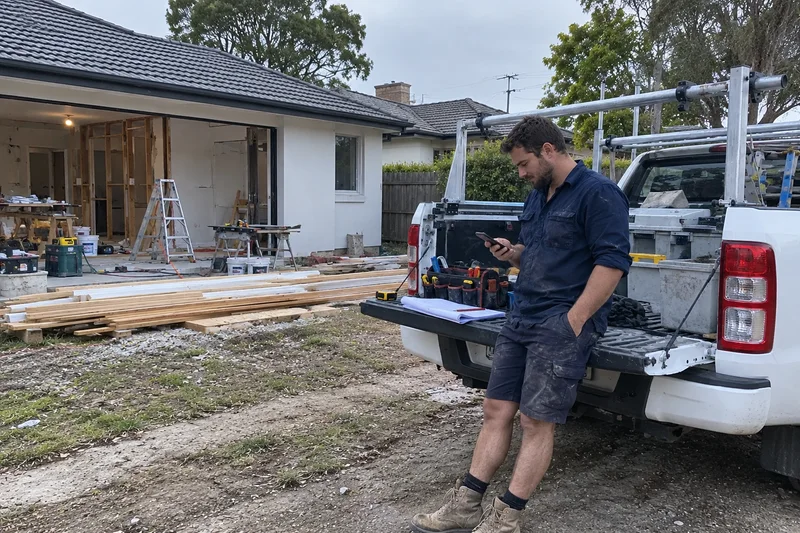
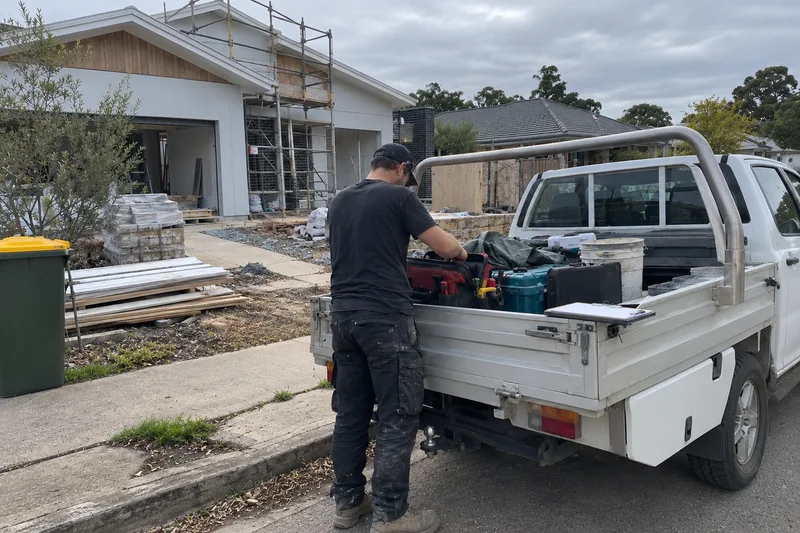
A tradesperson reviewing a job enquiry beside a work ute

During the day

The phone rings when your hands are full.

You're in a subfloor, or halfway through a switchboard. The phone buzzes twice. You'll ring back at lunch, except lunch is ten minutes in the ute and a call from the supplier.

Someone ringing a tradie usually has a few numbers open. If yours goes to voicemail they try the next one.

After dinner

Everything else waits for the kitchen table.

The job you measured up at 10am gets quoted at 9pm. The invoices go out when you remember them. The callbacks get made from the ute on the way home, or tomorrow, or Thursday.

It all gets done eventually. It gets done by the most tired version of you, and usually a day or two after the customer stopped waiting.

If you miss five calls a week and one in five would have booked a $500 job, that adds up to $26,000 a year in potential work. That’s before counting quotes that went quiet. Run your own numbers

A Tuesday on site, with the system doing the office work.

You’re on electrical jobs from 7am to 4pm. Here’s how the day keeps moving around the work.

  1. The system

    Missed call while you're in a ceiling. A text goes back within seconds, from your number, in your words, asking what the job is and where.

  2. The system

    The caller replies with the address and a photo of the old board. A time to measure up is booked for Thursday from your real calendar, and the job lands in ServiceM8 with the photo attached.

  3. You

    Lunch in the ute. Monday's quote has been drafted from your template and your site notes. You check the number on your phone and tap approve.

  4. The system

    The quote goes out while you're still eating, instead of at 9pm tonight.

  5. The system

    Last week's bathroom rewire has gone quiet. It's day six, so a short check-in goes out, with an opening next week.

  6. You

    That customer replies asking if Saturday works. It needs a person, so it comes to you with the whole conversation attached. You answer at the next break.

  7. The system

    The morning job is marked done. The invoice goes from Xero, and a review request follows while the customer is still flicking the new lights on and off.

  8. The system

    Tomorrow's reminders go out. That's the only office work happening tonight, and it isn't yours.

Every message is written with you and approved before it goes live. You always set the price. The system drafts the quote for you to review. How automation runs while you work

Built for businesses where the owner is busy doing the work.

The same approach can run in any business, whether it’s a gym where coaches can’t touch a phone during a class, a caterer handling enquiries while preparing for an event, or a tradie who can’t stop halfway through a job to answer a call. The system keeps enquiries and follow-ups moving while you get on with the work.

275→ 80

enquiries turned into new members at our gym in its peak six months

6,000+

leads in a year for the restaurant and catering business, and hundreds of new customers

We're coaches, so when classes are running nobody can touch a phone, and that used to mean enquiries just sat there. Some heard back from us days later. Most booked somewhere else, and we never really knew how many we'd lost. Now every call and message gets answered within seconds, trial sessions get booked while we're still on the floor, and the follow-up keeps going until someone actually walks in.
Laura Healy, Fit For Life Health & Fitness, Melbourne

A trade business runs on your evenings. The systems are there to give them back.

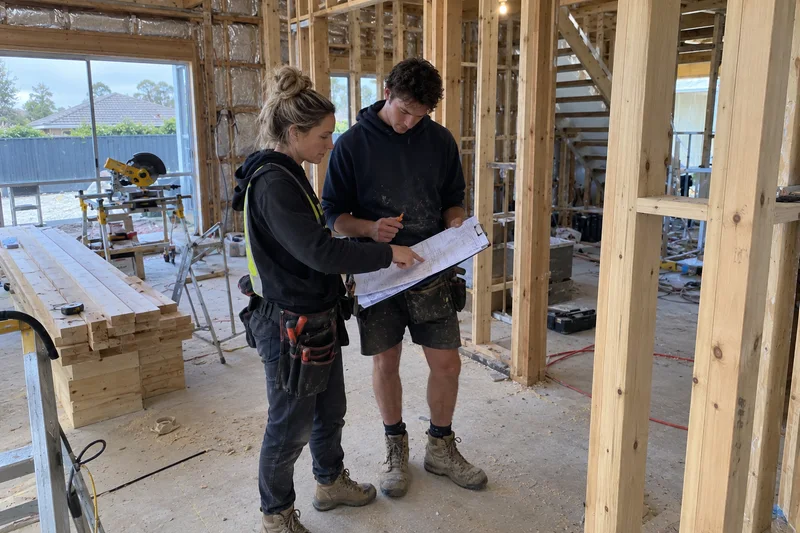
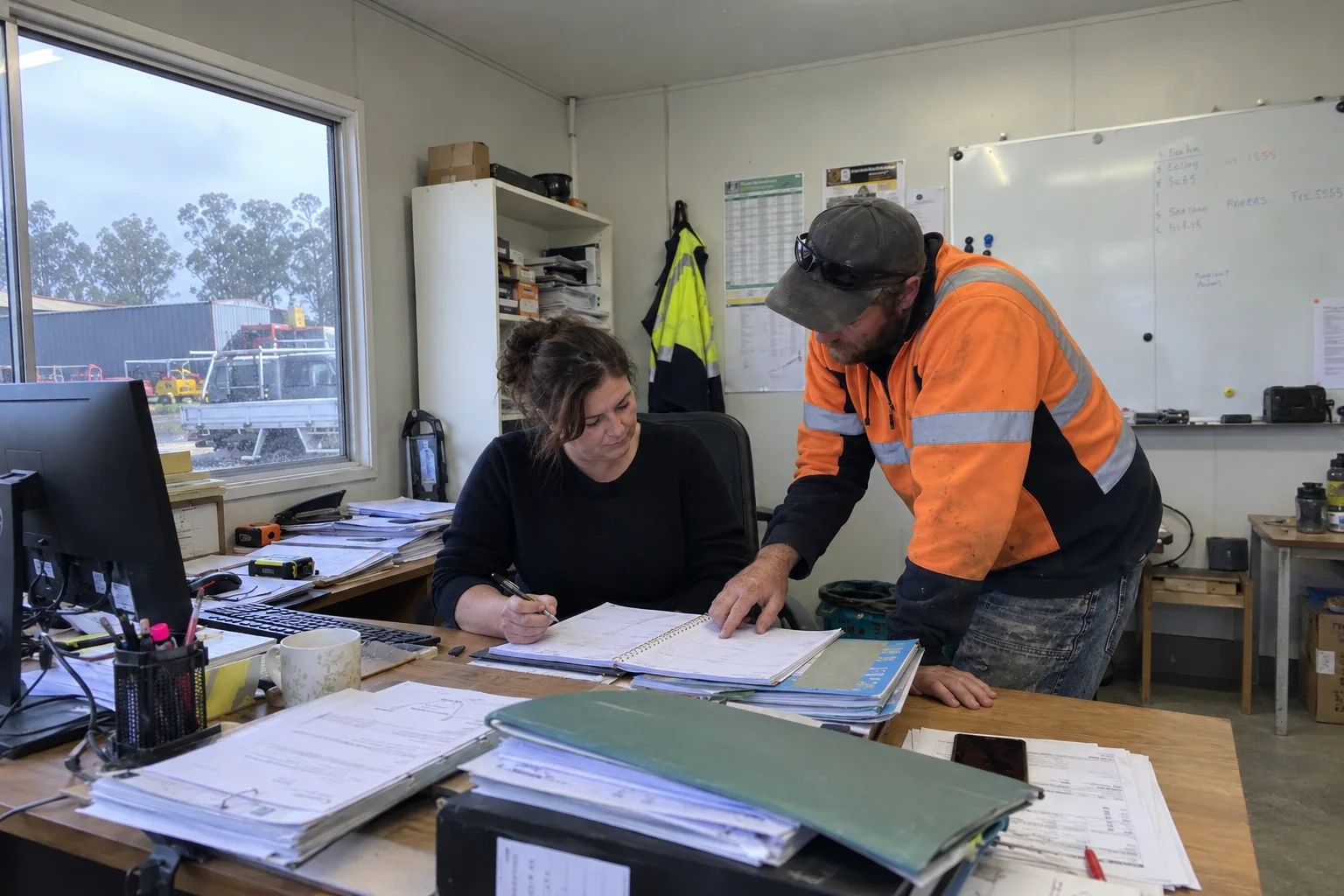
A site supervisor and carpenter reviewing a job brief at a renovation

Most tradies I talk to don't describe a systems problem. They describe their evenings.

Quotes at 9pm. Callbacks from the ute. Tomorrow's schedule texted from the driveway. Invoices on a Sunday with Xero open on the couch. None of it is hard work. It just can't happen while you're holding a drill, so it gets pushed into the only hours left over.

That holds up until the business gets busy. A big week on site means a big week of nights at the table, and a sick day means everything slides. It's running on memory, and memory doesn't scale. The business can only grow as far as one person's evenings stretch.

I saw the same shape in our own gym. The coaches were on the floor all day, so the enquiries waited for whoever had energy left at the end of it. What changed things was moving that routine work into the day, where a system handles it while the people do the job.

We judge the system by how much of your evening it gives back.

Keep ServiceM8, Tradify and Xero. They're doing their job.

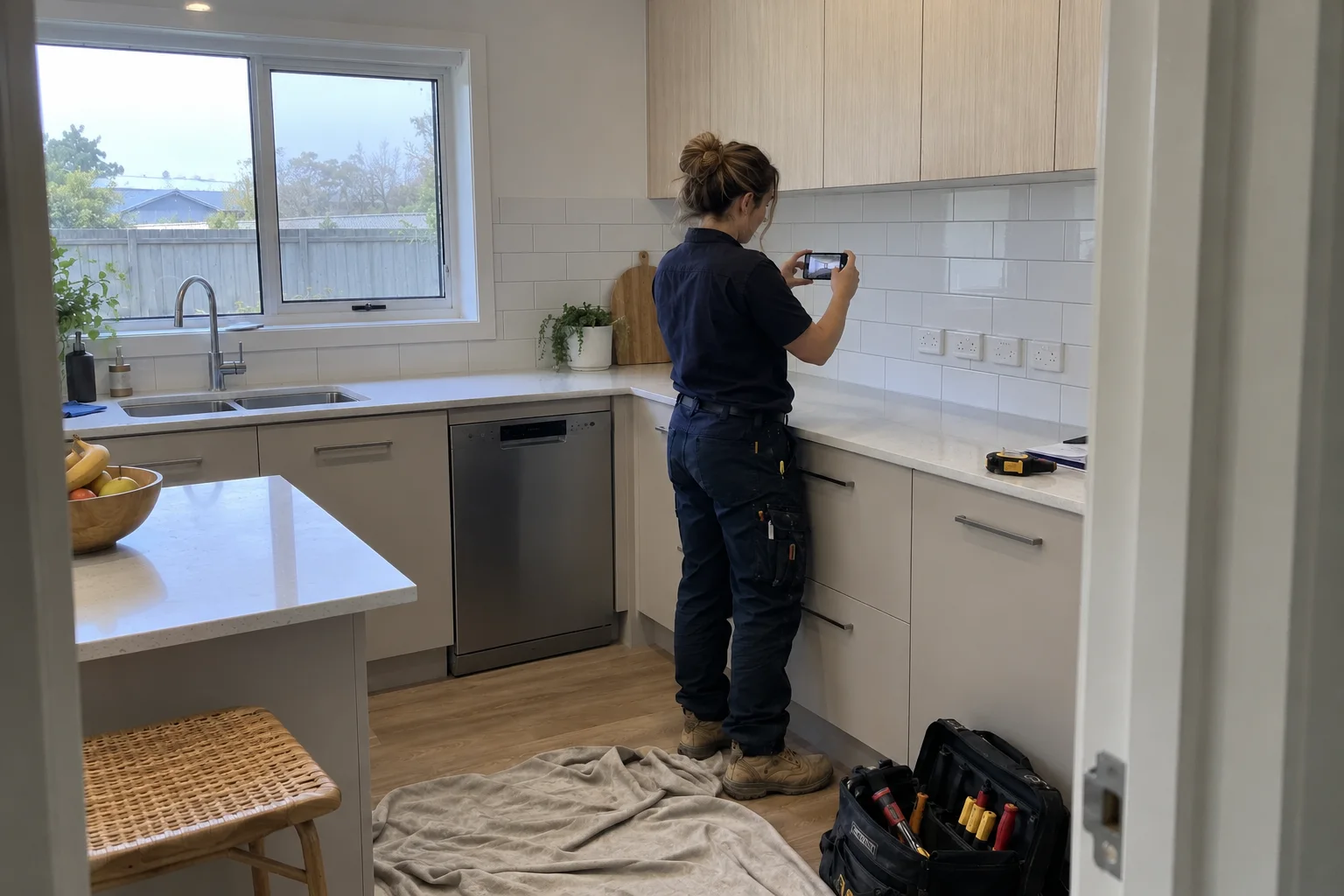
A tradesperson packing the tools into a ute at the end of the working day

Job management software handles the work you’ve already won, including scheduling, job cards, invoices and the numbers your accountant needs.

What it can't do is answer the call while you're under a house, or decide when a quote needs chasing and what to say. That part sits before the job exists, and it's usually where the evenings go.

So that's where we build. A booked job passes into ServiceM8 or Tradify so nobody types it twice, and invoices still go through Xero. If something you pay for isn't earning its place, I'll tell you.

Questions about business systems for tradies.

What are business systems for tradies?

They’re the steps around the job, from replying to the call and booking the measure-up to following up quotes, invoicing and asking for a review. A system runs them the same way every time during the day, so they don't wait for you to get home.

Do I have to move off ServiceM8 or Tradify?

No. If your job management software is doing the job, it stays, and so does Xero or MYOB. We build the enquiry and quote side around it, and a booked job passes into whatever you run.

How do I stop missing calls when I'm on the tools?

You stop trying to answer them, and make sure every missed call gets a reply within seconds instead. The caller gets a text from your business and can book a time from your real calendar. For busier businesses, an AI receptionist can answer the call itself.

Will my crew and apprentices actually use it?

Most of it they never touch. The part they do use is written in plain English and tested on them first. We test it with our Saturday casuals at the gym. If they can run it without a manual, we know the process is easy to follow.

How is it priced, and how long does it take?

It's scoped to your business after a systems map, with a fixed price in writing before anything is built. We aim to have the first system live within 30 days of kickoff, usually the enquiry and quote side, because that gives back the most evenings first.

Keep the job software that works. Fix what falls between jobs.

Your job-management system may already handle scheduling, quotes and invoices. We start there, check the functions you already pay for, then decide whether a separate customer relationship management (CRM) layer is needed for enquiries and repeat work.

Read about CRM setup for tradies, compare ServiceM8, Tradify and implementation help, or use the trade-business app checklist. The aim is fewer repeated entries and clear ownership, not another disconnected subscription.

See the system in action.

Try the enquiry follow-up system on your own phone. Add your details, answer a few questions and see the response arrive.