See it in actionTry it out

Home/Industries/Allied health clinics

Enquiry, intake and follow-up systems for allied health clinics.

While practitioners are in consults, the desk handles new patient enquiries, intake forms, rebookings and recalls. We build the system that carries that load, alongside the practice software you already use.

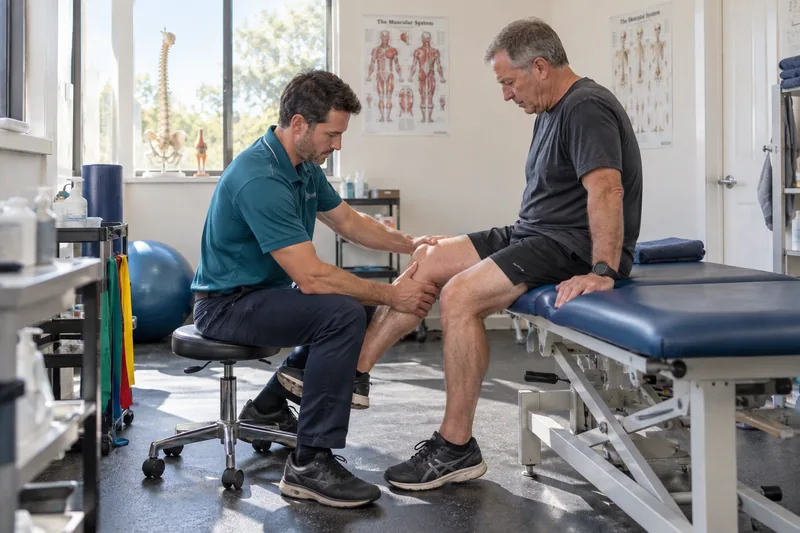
A physiotherapist working with a patient on knee mobility in a clinic
Give the patient your attention.

Let a clear process support bookings, forms and follow-up.

What the desk is holding at 10:40 on a Tuesday.

The practitioners are booked. What limits most clinics is how much one front desk can keep track of between 8am and 6pm, with a queue at the counter.

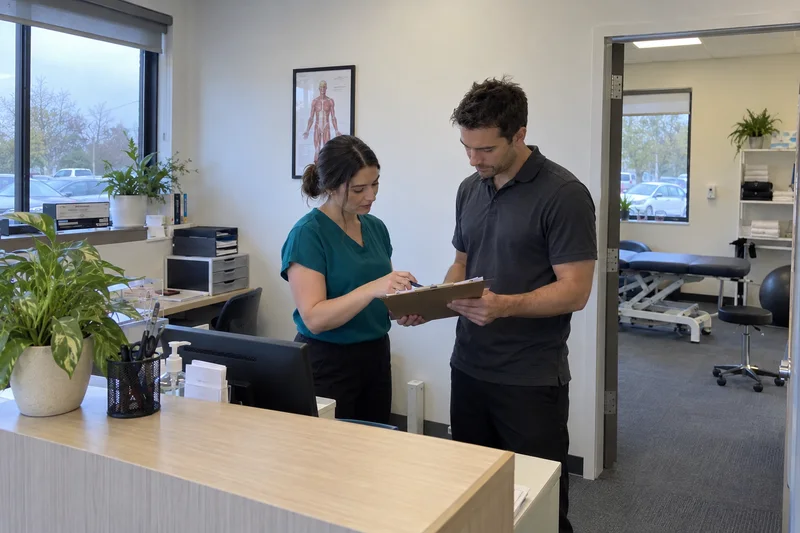
A receptionist and practitioner checking an appointment list at a clinic

Before the first visit

New patients wait for a free hand.

A patient is paying, another is asking about parking, and the phone rings. New patients rarely leave a message. They try the next clinic on the list.

The intake form goes out when someone remembers, and comes back on a clipboard in the waiting room, which is why the first appointment starts ten minutes late.

After the consult

Rebooks and recalls rely on someone remembering.

The treatment plan says three more sessions. The patient walks out between two others arriving, without a booking, and nobody notices until the gap shows up on next month's book.

Recalls are the same. The list of patients who should have come back exists somewhere, and working through it is a job for the quiet afternoon the desk never gets.

None of this looks like a crisis on the day. It shows up six weeks later as a thinner appointment book, and every evening as a receptionist who goes home tired.

One new patient, from first enquiry to second appointment.

At a physio clinic, the practitioner is in consults and the desk is busy the whole time.

  1. The system

    A web enquiry about lower back pain. A reply goes back within a minute, in the clinic's words, with times that are actually free this week.

  2. The system

    The patient picks Tuesday at 10. The booking goes into your practice software, and the confirmation carries the intake form and what to bring.

  3. The system

    The form isn't back yet. A short reminder goes out, with a link that opens properly on a phone.

  4. The system

    Form completed. It's with the practitioner before the day starts, so the first consult starts on time.

  5. Your desk

    The practitioner has recommended three more sessions. At the counter the patient says they'll check their calendar and book later. The desk taps to note it.

  6. The system

    Still no booking. A friendly message goes out with next week's times for the same practitioner.

  7. The system

    The patient books Monday at 8am from the link. Nobody on the desk had to remember a thing.

  8. Your desk

    Second appointment checks in. The desk handles the conversation at the counter, where a person is needed.

Every message is written with you and approved before it goes live. Anything clinical, or anything that needs judgement, goes straight to a person with the conversation attached. The system never gives clinical advice. How intake and first-visit systems work

Practitioners in consults, coaches on the floor.

A clinic isn't a gym, and your numbers will be your own. The constraint is similar. The people doing the work are busy with clients. The figures below cover the peak six months at Fit For Life, the gym my partner and I own.

275→ 80

enquiries turned into new members

$4k+

a week in revenue we weren't seeing before

We're coaches, so when classes are running nobody can touch a phone, and that used to mean enquiries just sat there. Some heard back from us days later. Most booked somewhere else, and we never really knew how many we'd lost. Now every call and message gets answered within seconds, trial sessions get booked while we're still on the floor, and the follow-up keeps going until someone actually walks in.
Laura Healy, Fit For Life Health & Fitness, Melbourne

The front desk is doing a job a system should be doing.

Most clinics I meet have a good receptionist. A fair few have had several.

The job, as it usually runs, is to answer every call, greet every patient, chase every form and remember every rebook, all at once. Good people can carry that for a while. Then they burn out or move on, and everything that lived in their head leaves with them. The clinic was running on one person's memory, and memory doesn't scale, particularly the week they're on leave.

Patients slip through for the same reason. Nobody forgets on purpose. The rebook needed someone to notice at the exact moment the phone was ringing, and the phone won.

I saw the same pattern in our own gym. Coaches on the floor, enquiries waiting, and whoever was on the desk trying to hold it all. What changed things was taking the repeatable part of that job off people entirely. The system sends, reminds, follows up and flags, every time, whoever is rostered on. The desk keeps the judgement, and the patient standing in front of it.


Your practice software keeps the clinical record. We build around it.

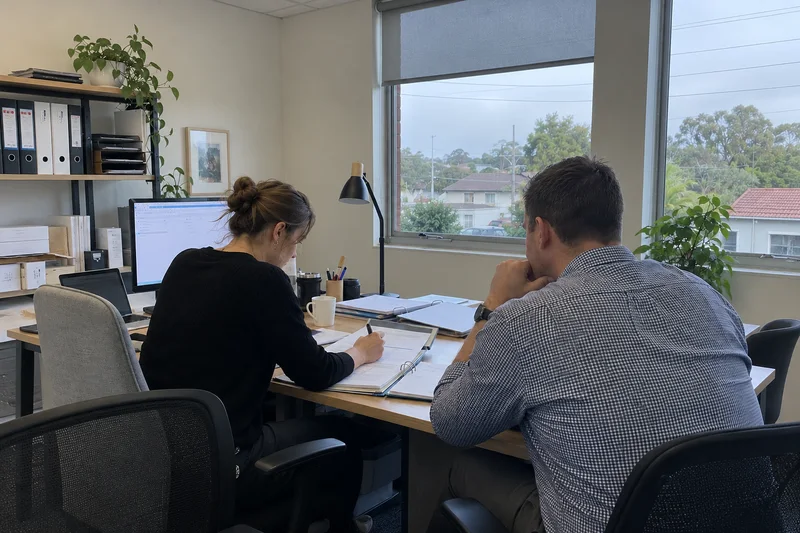
Two office colleagues reviewing a customer file and checklist

Practice software such as Cliniko, Nookal or Halaxy is good at the appointment book, clinical notes, billing and claiming. We don't replace it.

What it doesn't do on its own is decide when a new patient hears back, or who follows up the plan that stopped halfway. We build that part around it, connected where your software allows.

Health information is sensitive, and clinics carry real obligations about how it's handled. So clinical detail stays in your practice software, the booking side holds only what it needs, access is set by role, and we agree in writing which tool holds what.

We don't give legal advice. Your obligations are yours to confirm with your own adviser or professional body, and we'll tell you when something shouldn't hold patient information at all.

Questions about clinic automation.

What is clinic automation?

It handles the routine front-of-house work, including replies to new patient enquiries, intake forms, reminders, rebookings and recalls. The clinical side and the judgement calls stay with your people. The point is that no patient waits on someone at the desk remembering them.

Does this replace our practice management software?

No, and it shouldn't. Cliniko, Nookal, Halaxy or whatever you run keeps the appointment book, clinical notes, billing and claiming. We build the front-of-house around it, connected so nobody types a patient's details twice.

Can an AI medical receptionist answer our clinic's phone?

Yes, for the administrative half of the job. An AI receptionist can answer when the desk is busy or closed. It handles the common questions, like parking and what to bring, and books new patients from your real availability. It never gives clinical advice. Anything clinical goes to a person.

How is patient information handled?

Clinical detail stays in your practice software, and the booking side holds only what it needs. Health information is sensitive, so confirm your own obligations with your adviser or professional body. We don't give legal advice.

Will our reception team need to learn new software?

Very little. Most of it runs in the background, and what the team does see lands in one inbox. We hand it over in working sessions with the people on the desk, and it's scoped after a systems map with a fixed price in writing before anything is built.

Connect administration without moving the clinical record.

Your existing practice-management software remains the place for clinical records. We map new enquiries, administrative intake, reminders and follow-up around it, using the connections and permissions it actually supports.

A CRM workflow for allied health should show the front desk what needs attention without copying clinical notes into a general sales tool. Practitioners retain clinical decisions, and unclear or sensitive enquiries go to your nominated person.

See the system in action.

Try the enquiry follow-up system on your own phone. Add your details, answer a few questions and see the response arrive.