

See it in actionTry it out

Home/What we build/Sales and enquiry systems

Sales automation for tradies, from first enquiry to accepted quote.

You’re on site when a new enquiry comes in. By the time you reply, they’ve called someone else. Or you send a quote and never find time to follow it up. We build the replies and follow-up around your working day, so those jobs don’t slip away while you’re on the tools.

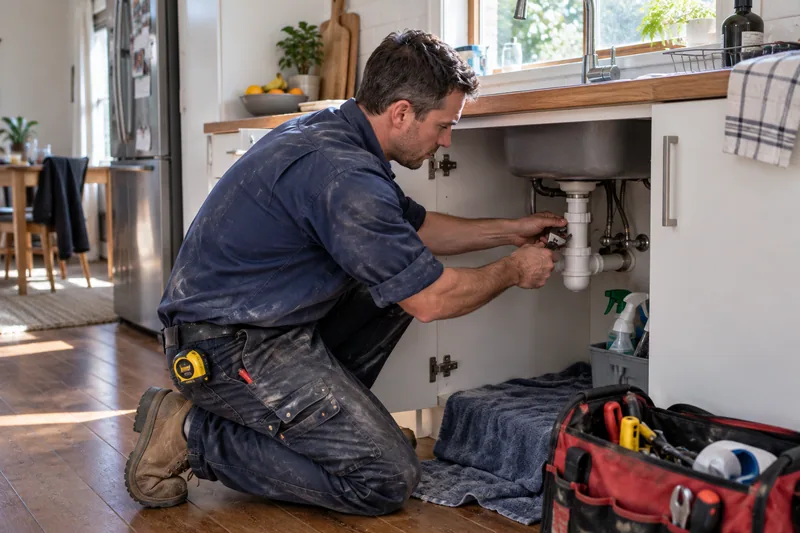
A plumber working on a waste-pipe fitting beneath a kitchen sink
Stay with the work in front of you.

Give every new enquiry a next step while you're working.

  1. Enquiry received
  2. Helpful reply
  3. Next step booked

The two gaps where enquiries go quiet.

Ask an owner where they lose work and they'll usually say price. Look through their enquiries for a month and a different pattern shows up. The same two gaps, in almost every business.

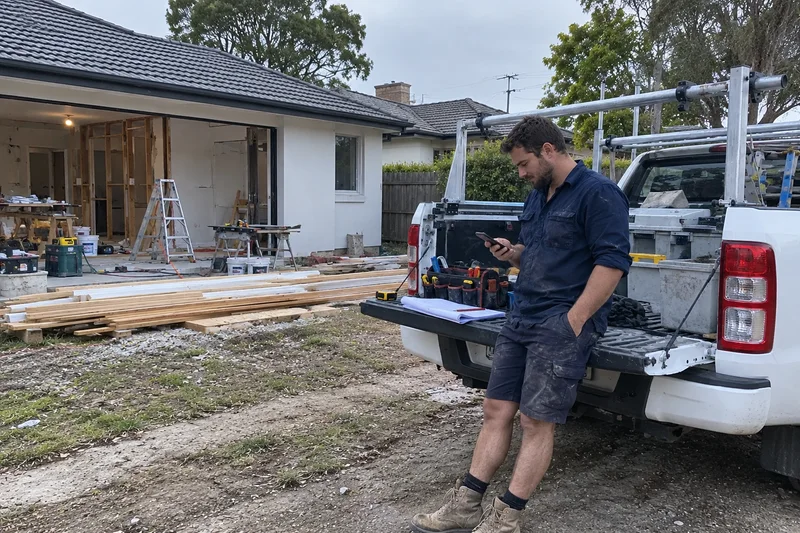
A tradesperson reviewing a job enquiry beside a work ute

The first half hour

Nobody replies while you're working.

The phone rings while you're on a roof or fitting off a bathroom. The web form lands at 4:50 on a Friday. By the time anyone gets to it, the person has rung the next business on the list, and the next business picked up.

The first helpful reply wins the job more often than the cheapest quote does. Choosing a tradie is effort, and a fast answer takes the effort away.
The fortnight after the quote

Nobody follows up once it's sent.

The quote goes out, and then nothing happens on either side. The customer is busy, you're busy, and the quote sits in their inbox between a school newsletter and the power bill.

Nobody rings back to say no. They just stop thinking about it, and a month later they've used whoever followed up.

If you miss five calls a week and one in five would have booked a $500 job, that adds up to $26,000 a year in potential work. That’s before counting quotes that went quiet. Run your own numbers

One enquiry, owned from the first ring to the signed quote.

A plumbing enquiry comes in while your crew is on site.

  1. The system

    Missed call. A text goes back within seconds, from your number, in your words.

  2. The system

    The customer replies. The system asks for the suburb, job type, photos and preferred time for a site visit, using the questions you approved. It all lands on one record.

  3. The system

    Site visit booked for 9:30 tomorrow from your approved availability, with the job details already captured.

  4. You

    The quote is drafted from your template and what the customer told you. You check it on your phone and tap approve.

  5. The system

    The quote goes out while they still remember why they called.

  6. The system

    A short check-in asks whether the quote arrived and whether they have any questions.

  7. The system

    A useful nudge, an opening next week. The customer replies, and the sequence stops.

  8. You

    The customer accepts. You reviewed the quote, and the crew can get on with the job.

The messages around a plumbing quote

First replyThanks for getting in touch. What plumbing work do you need, and which suburb is the property in?

After your approvalHi Sarah, your quote is ready. It covers the hot water replacement and removal of the old unit we discussed. Reply here if you want to adjust anything.

Day 2Hi Sarah, just checking the quote arrived. Is there anything you need from us to make a decision?

Any replyThe scheduled follow-up stops. The office takes over.

Adapt the messages to your business. Dates and availability come from your current booking system.

Every message is written with you and approved before it goes live. The moment a customer replies with anything that needs judgement, it comes straight to you with the whole conversation attached. The follow-up messages, in full

Built in our own gym first.

This is the system that runs at Fit For Life, the gym my partner and I own. The figures below cover its peak six months.

275→ 80

enquiries turned into new members

$4k+

a week in revenue we weren't seeing before

The part I didn't expect is the head space. Nobody carries the "did we ever reply to that lady from Tuesday" feeling around anymore. It just runs.
Laura Healy, Fit For Life Health & Fitness, Melbourne

Every enquiry needs an owner. While you're working, it doesn't have one.

Replying fast and following up are easy to agree with. They fall through when nobody owns the enquiry.

In theory the owner does. In practice you're serving a client, so it waits. Your team assumes you've got it, because you usually do. Everyone means to follow up, and busy beats intention every time it's been tested.

I learnt this in our own gym before we ever sold a system. Enquiries came in while every coach was on the floor. Some heard back days later, most booked somewhere else, and nobody could say how many we'd lost. The coaches weren't slow. The enquiries belonged to nobody.

So what we build is ownership. The system takes responsibility for every enquiry from the moment it arrives until there's a signed quote or a clear no, and it hands you only the decisions that need you.

You've probably already paid for software that was meant to fix this.

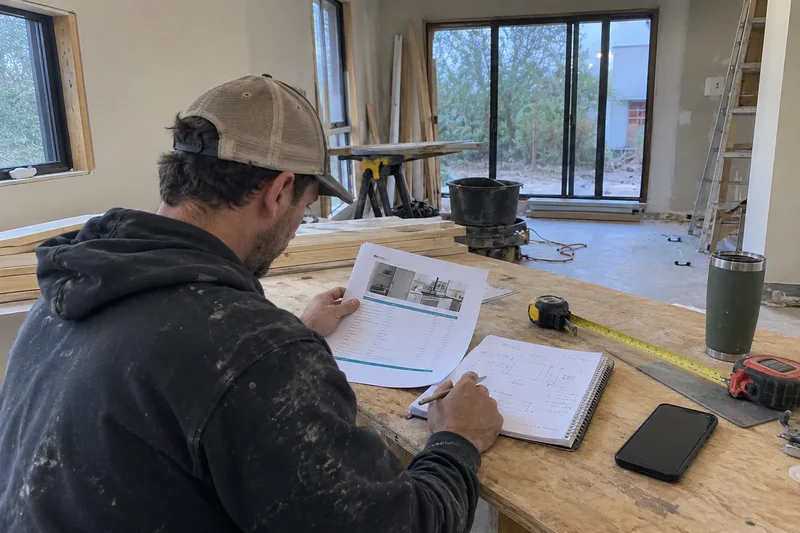
A tradesperson reviewing a quote beside handwritten site measurements

A quoting app with a follow-up button. A booking tool. An inbox that promised to catch every enquiry. Most owners we meet have at least one, logged into twice and then left.

The software was rarely the problem. Nobody decided what it should say, when it should say it, or who picks up the reply, so it sat there with a blank screen and a login.

That decision is the actual work, and it's the part we do with you. We write the first reply, the questions, the quote template and every follow-up in your words, agree where you sign off, then build it on tools that suit your business and keep it running after launch.

Questions about sales process automation.

What is sales process automation?

It handles the routine steps between an enquiry and a signed job, from the first reply and collecting the details to sending the quote and following it up. The decisions stay with you. For a trade business, the point is that no enquiry waits on someone remembering it.

Will my customers know it's automated?

They'll know they got a fast, useful reply. Every message is written in your voice and approved by you, and the moment someone replies with a real question, a real conversation takes over.

Do we have to change our quoting or job software?

Usually not. Tools like ServiceM8, Tradify or Xero stay where they're doing the job, and the system works around them.

What if a customer wants to talk to a person?

Then they do. Anything that needs judgement goes straight to you, or whoever you choose, with the whole conversation attached. If you'd rather every call is answered live, an AI receptionist can take the first gap as well.

How is it priced?

It's scoped to your business after a systems map, with a fixed price in writing before anything is built.

The whole sales process, with a clear owner at each step.

The wider system captures the enquiry, checks the job fits, assigns responsibility, prepares the quote and hands accepted work to the crew. Each stage needs a definition, a next action and someone who owns an exception.

If the gap is specifically unanswered enquiries or unaccepted quotes, start with lead follow-up automation. That focused service deals with reply timing, reminders and stop rules. A CRM setup for tradies holds the customer and opportunity record, while customer onboarding and job handovers takes over after acceptance.

See the system in action.

Try the enquiry follow-up system on your own phone. Add your details, answer a few questions and see the response arrive.