Sales and enquiry systems
Every enquiry answered quickly, the details captured once, the quote out while they're warm and followed up without anyone remembering. You approve the quote. The system does the chasing.
Read moreHome/What we build
We build five systems for owner-led trade businesses. Each takes a piece of work that lives in someone's head, usually yours, and gives it a set order of steps and a clear point where a person signs off. They share one home, so work moves between them without anyone carrying it across.
Connect the steps around the work your team does best.
Answer a few questions and try the response on your own phone.
See what happens when an enquiry gets a reply while you're busy with the job. Add your details and watch the response arrive on your phone.
It's the same system we use in our own business, built around the way you work.
Most trade businesses lean on the owner to win work, get jobs started, answer the crew’s questions and keep track of the numbers. We build systems around those jobs and use AI where it helps.
Every enquiry answered quickly, the details captured once, the quote out while they're warm and followed up without anyone remembering. You approve the quote. The system does the chasing.
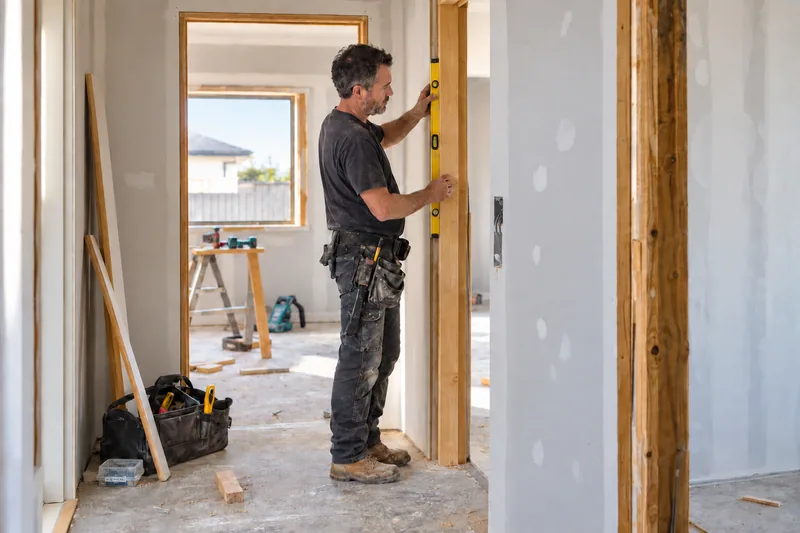
Read moreAn accepted quote becomes a ready-to-run job. Site details, paperwork, deposit status and booking confirmations stay together, with a clear handover to the crew.
Read moreHow things are done here, written down and kept current. A new hire is useful in weeks, and you stop being the answer to every question.
Read moreJonathan in your business two days a month as a fractional Chief AI Officer, working out where AI pays and setting it up with your team.
Read moreThe few numbers that tell you how the week went, on one screen, updated automatically.
Read moreLooking for an AI receptionist? We build those as one component of the sales system. On its own it takes messages. Connected to the rest, it books the work.
Most businesses we meet already pay for software that was meant to fix this. Each tool was bought on a busy week with good intentions, and each came with a login and a blank screen.
What was missing was the decision about what should happen at each step, in what order, who is responsible and where the owner signs off. That decision is the system. The software just holds it.
The five systems share a single record for every customer. The enquiry becomes the quote, the accepted quote becomes a job, and the weekly numbers are counted from the same record. Nothing gets retyped.
Replies, reminders, follow-ups, forms, bookings, review requests and the weekly report go out on their own, in your words, at times we agree with you.
Your judgement stays with you, whether it’s a larger quote, an unusual scope, a complaint or a refund. The system brings it to you with the history attached, then carries on once you've decided.
The office or crew can open a job and see what was promised and what happens next. The answer to "where are we with them?" stops being you.
Each month we look at where things stalled and what changed, and adjust. Systems drift when nobody owns them.
The map decides the order. But the first build is usually the sales and enquiry system, because it turns work you're already paying to attract into revenue you can see within weeks.
Job handovers tend to be next, so the work you win reaches the crew with the right information. Documentation and reporting follow when the owner is ready to step back from the day to day.
enquiries turned into new members at our own gym, in its peak six months
a week in extra revenue for the gym, from enquiries it was already getting
leads handled in a year by a restaurant and catering business, without an office full of admin staff
It's taking the repeatable steps in your business, like replying to enquiries, sending quotes, preparing job handovers and reporting the numbers, and having them happen automatically in a set order, with a person signing off only where judgement is needed.
No. Most businesses start with one, usually sales and enquiry, and add the others as the map shows they're needed. We aim to have the first system live within 30 days of kickoff.
Usually not much. Job management, accounting and booking tools that are doing their job stay, and we connect them. Where something isn't earning its place, we'll say so.
Replies, reminders, follow-ups, forms and the weekly numbers run in the agreed order. Anything that needs judgement, such as pricing a larger job or handling a complaint, comes to a person with the full history attached.
Every engagement is scoped to the business, so there's no price list. The map ends with a written scope and a fixed price for the build, and a monthly figure for running it. You know the full number before anything is built.
A map, a procedure and a weekly report give the work somewhere concrete to live.
Business process automation means making agreed, repeatable steps happen without someone remembering every one. Start with the outcome you need, whether that’s an answered enquiry, a complete job brief, an assigned job or a reliable weekly report.
Our sales systems connect the whole enquiry-to-acceptance process. Lead follow-up handles its reminders and reply rules. Onboarding prepares accepted work for delivery, and review requests follow completed work.
We document the exceptions and who handles them before automating the routine steps. Your existing software may already do part of the job, so we check that first.
Try the enquiry follow-up system on your own phone. Add your details, answer a few questions and see the response arrive.