

Answer a few questions and try the response on your own phone.
See automated follow-up in action.
See what happens when an enquiry gets a reply while you're busy with the job. Add your details and watch the response arrive on your phone.
It's the same system we use in our own business, built around the way you work.
- A real response from the system
- No obligation to book anything
Send three short, useful messages over two weeks. Check in on day 2, help remove an obstacle on day 6 and close politely on day 13 so it’s easy to say yes or no. Most quoted work is lost to silence rather than price, and the silence is usually on our side of the counter. The exact wording is below. What makes it stick is taking it off anyone's memory, so every quote gets the same three messages whether the week is quiet or flat out.
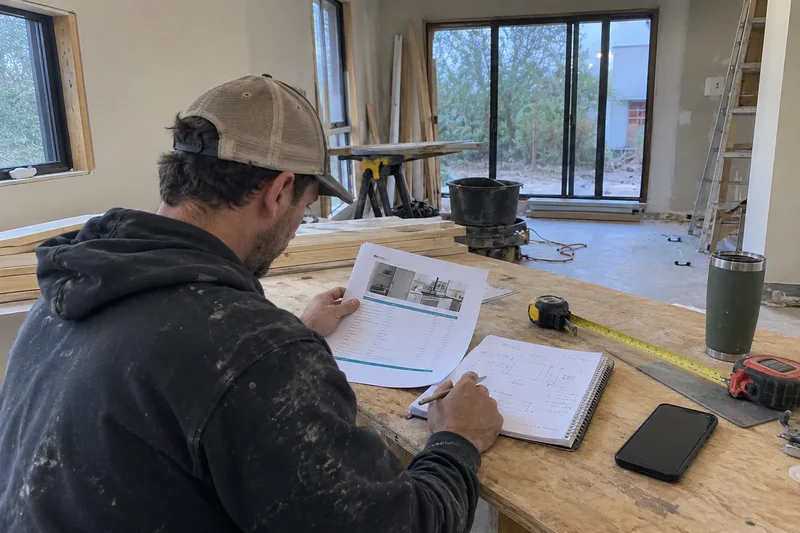
The quote you sent last Tuesday isn't sitting in a rejection pile. I'd bet it's sitting in an inbox between a school newsletter and an electricity bill, waiting on a decision the customer keeps putting off because deciding is effort and life is busy. That gap between "sent" and "answered" is where a lot of service businesses quietly lose work. Almost nobody works it, because working it feels like pestering.
Give every open quote a next step and a date for it. Apply that to every quote and the results are a bit absurd.
Why the first follow-up often wins the job
Put yourself on the customer's side of it. Three quotes in the inbox, roughly similar money, and deciding feels like homework. Then one business sends a short, friendly message that answers the question they hadn't got around to asking and makes the next step small.
That business just did the customer's homework for them. The price didn't move, and the job went to whoever made deciding easy.
Jump to the three message templates
The three messages, word for word
Steal these freely. Change the names and the dates, keep the tone.
Day 2 · The check-in"Hi Sarah, just making sure the quote came through okay. Happy to answer anything."
Day 6 · The useful nudge"If timing's the hold-up, we've got an opening the week of the 24th. Happy to pencil it in."
Day 13 · The graceful closer"No stress either way, just let us know whether to hold the slot."
Day 2 takes ten seconds to read and carries no pressure at all. It shows the customer you haven’t lost track of their enquiry.
Day 6 adds something real. A date, or an answer to the question they were sitting on. It removes an obstacle instead of repeating the first message, because repetition is exactly what makes follow-up feel like chasing. Never send the day 2 message twice.
Day 13 gives them permission to say no. People who are given a polite way out stay warm, and a fair few come back months later. When they do, they come back to the business that was easy to deal with.
| When | Message | The job it does |
|---|---|---|
| Day 2 | The check-in | Confirms the quote arrived and opens the door to questions |
| Day 6 | The useful nudge | Removes the likely obstacle, usually timing or scope |
| Day 13 | The graceful closer | Offers a clean yes or no, with no pressure either way |
| Any reply | Sequence stops | A person picks up the conversation from there |
The one test every message has to pass
Before a message goes out, ask whether it helps them decide or only reminds them you exist. "Just following up again" fails. A date passes. So does a smaller next step, or a straight answer to the thing they were unsure about.
And keep it in writing. A phone call demands an answer on the spot, which corners people who haven't decided yet. Cornered people say no just to end the call.
The part about willpower
You'll read this, nod, follow up beautifully for a fortnight, and then a big job will land and the whole routine will vanish. Mine did too.
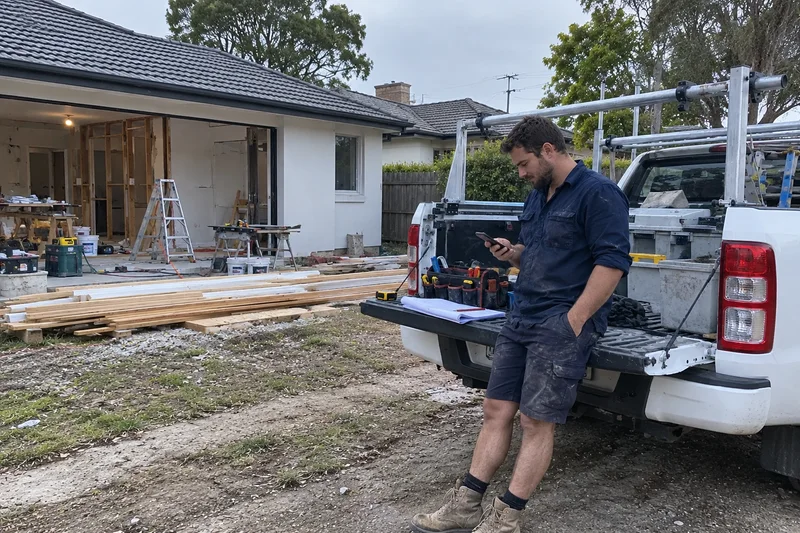
Busy beats intention every time. Good follow-up comes from something installed once, rather than a discipline you have to keep finding the energy for. Set it up so every quote gets the right message on the right day in your wording, stopping the moment they reply, and it keeps running whether you're flat out or on the water with a fishing rod.
Where this sits in a sales system
In the sales and enquiry systems we build, quote follow-up is one stage in a longer line. The enquiry gets answered quickly and the details are captured once. The quote goes out while the customer still remembers why they called, and you approve it before it leaves, because pricing your work is your call. Then the three messages run on their dates, in your voice.
The moment the customer replies, the sequence stops and a person takes over. Nobody has to remember whose turn it is, because the system knows. Every quote that goes quiet ends up somewhere you can see it, so on a Friday you can look at what's still open and what closed this week without asking anyone to pull it together.
If you'd like to know how many quotes in your business are sitting in silence right now, it's one of the first things we look at when we map a business.
When you want the workflow built for you.
This guide explains the process. Our lead follow-up automation service covers configuration, testing and ongoing ownership around the tools your business uses.
See the system in action.
Try the enquiry follow-up system on your own phone. Add your details, answer a few questions and see the response arrive.