

Answer a few questions and try the response on your own phone.
See automated follow-up in action.
See what happens when an enquiry gets a reply while you're busy with the job. Add your details and watch the response arrive on your phone.
It's the same system we use in our own business, built around the way you work.
- A real response from the system
- No obligation to book anything
Yes, and the question has it backwards. A well-built system doesn't need hours from you. It exists because you don't have any. The Tuesday below shows how bookings, quote approvals and scheduling can run around the work on site. The owner checks what needs attention during breaks.
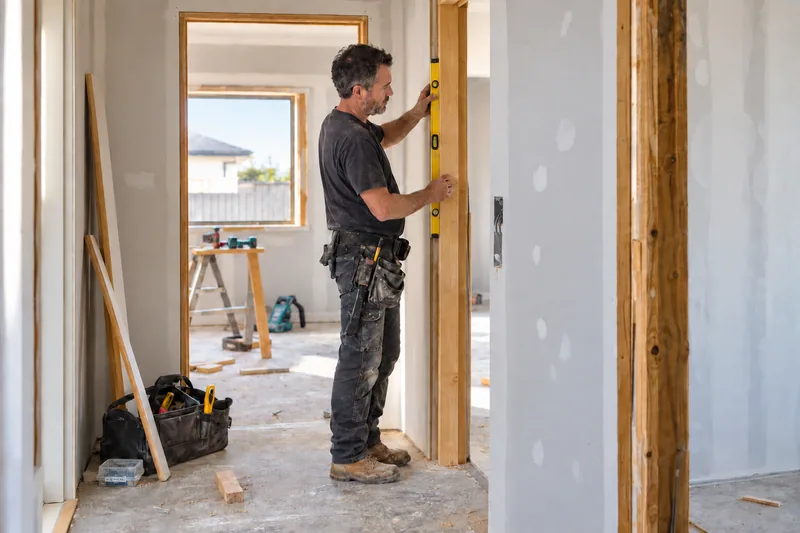
Every business tool this owner has ever bought demanded time to feed it. Enter the job, update the status, remember to send the thing, log the call. So when someone says "system", he hears one more dependant, and he's the busiest person in the building.
I've bought the same tools. The difference with the systems we build is where the work sits, and the easiest way to show it is an ordinary day.
An ordinary Tuesday
We design for a tradie on the tools all day, with sales and delivery systems running in the background.
| Time | What the system did | What the owner did |
|---|---|---|
| 6:50 am | Overnight website enquiry gets a reply and a booking link | Drove to the first job |
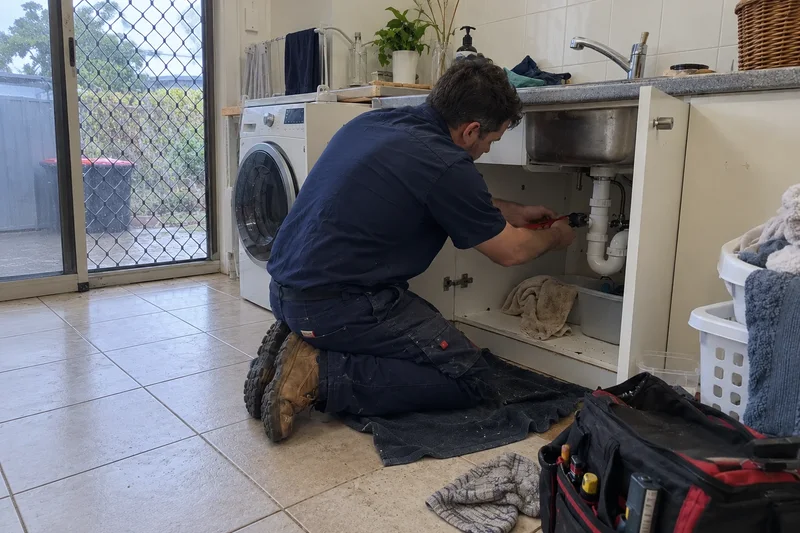
| 9:15 am | Missed call gets a text back within seconds. Caller books Thursday 8 am | On the tools |
| 11:30 am | Last week's quote gets its day 6 follow-up. Customer accepts | On the tools |
| 1:40 pm | Tomorrow's jobs get confirmation texts. One customer reschedules herself | Lunch in the ute |
| 4:20 pm | The finished morning job triggers a review request. Five stars by dinner | Second job |
| 7:00 pm | The whole day sits in one place, already handled | Ten minutes on the couch, reading |
Tally it up. A booked job, an accepted quote, a confirmed schedule, a new review, and no admin evening. His contribution was reading.
Look at the 11:30 line. That quote was accepted while he physically couldn't touch a phone, off the back of a follow-up sent on a schedule set up weeks earlier. Two different Tuesdays got him paid that day, and only one of them needed him.
The backwards question
"Have I got time for this?" assumes the system is one more task in the pile. Look at the table again and find the moment the system needed him. There isn't one. Every row is work that used to either eat his evening or quietly not happen. The evening admin didn't get faster. It got absorbed.
We saw the same thing at our own gym. The coaches are on the floor when classes run, so nobody can touch a phone, and enquiries used to sit there. Once the enquiries and follow-ups were absorbed by the system, 275 enquiries turned into 80 new members in our peak six months, while the coaches kept coaching.
The part I didn't expect is the head space. Nobody carries the "did we ever reply to that lady from Tuesday" feeling around anymore. It just runs.Laura Healy · Fit For Life Health & Fitness, Melbourne
What still needs you
The system runs the routine and flags the exceptions. Tricky quotes, unhappy customers, commercial opportunities and jobs that have gone sideways come straight to you with the full conversation attached. Those are the moments that need your judgement.
That's the trade on offer. The system takes the switchboard shift. You take the handful of conversations each week where judgement and reputation are actually on the line, and you sign off on the things that carry your name, like the price on a quote. You're still the business. You're just no longer its receptionist and its memory.
Ten minutes on the couch is the right amount of attention for a system like this. It's reading what already happened, rather than doing what didn't.
Which systems are behind that table
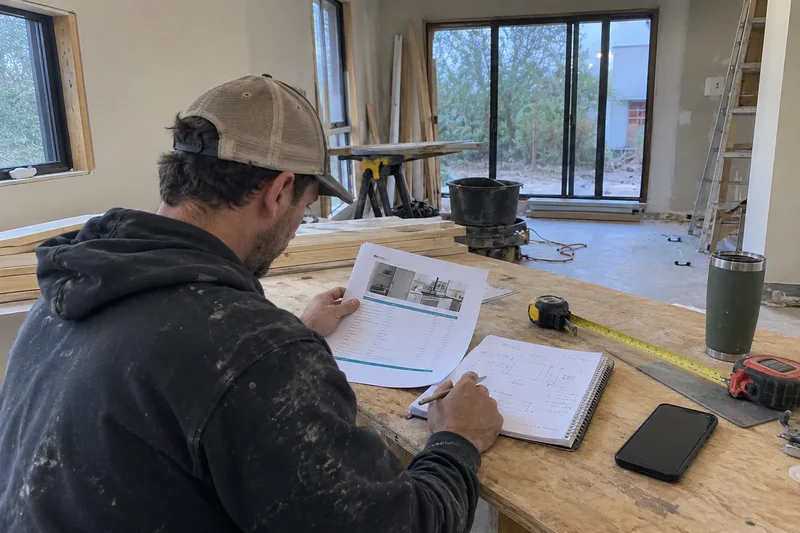
Most of the rows come from two places. The morning rows belong to a sales and enquiry system. It handles quick replies, captures the details once and keeps quotes and follow-up moving. The confirmations and the review request belong to onboarding and delivery, where every customer gets the same experience whoever is on shift, and the review gets asked for at the moment they're happiest.
Neither of them is a clever app. They're decisions about what happens at each step and who signs off, written down, then built on tools that suit the business.
Getting to that Tuesday
It starts with a map. We sit with you, and the team if there is one, and write down how enquiries reach you today and where they wait on you. Then we build in the order that frees up most of your week first. We write the messages in your voice for you to approve, and we connect the phone and the calendar. We aim to have the first system live within 30 days of kickoff.
After that, the Tuesday above is just what Tuesdays look like. We keep running and tuning it, because a system nobody maintains drifts back into memory. If you want to see what an ordinary week is currently costing you, bring your missed-call log to the map.
See the system in action.
Try the enquiry follow-up system on your own phone. Add your details, answer a few questions and see the response arrive.