

Answer a few questions and try the response on your own phone.
See automated follow-up in action.
See what happens when an enquiry gets a reply while you're busy with the job. Add your details and watch the response arrive on your phone.
It's the same system we use in our own business, built around the way you work.
- A real response from the system
- No obligation to book anything
Ask every customer, at the moment the job wraps up, with a message that makes leaving a review one tap. Send one reminder a few days later, then stop, and reply to every review you get. The businesses with a wall of reviews have systemised the ask, and they're hearing from the happy, quiet majority who would never have thought to post on their own. That ask is part of how a job finishes, so it belongs in your delivery system rather than on anyone's to-do list.
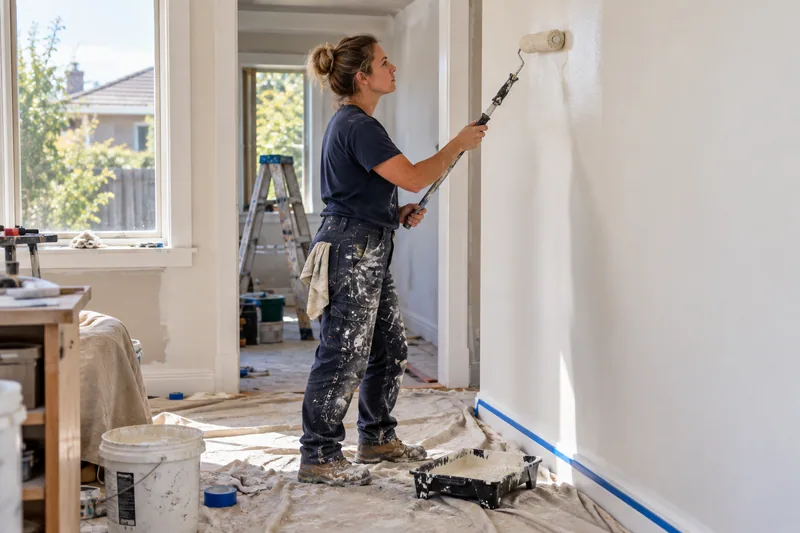
Two tradies, same suburb, same trade, similar work. One has 14 reviews, one has 140. The homeowner comparing them at 9:40 on a Tuesday night doesn't ring either of them. She books the wall of reviews the next morning, and the 14-review tradie never finds out he was in the running.
That's the brutal bit about reviews. You lose the comparison before your phone ever gets the chance to ring.
The quiet middle
Without a prompt, the customers most likely to leave reviews are those who are delighted or furious. The extremes publish themselves. Everyone in between, the solid majority who thought you did a good job and would happily say so if asked, simply gets on with their day.
I call them the quiet middle, and they're where all the volume lives. The 140-review business isn't collecting more delight than you. It's asking the quiet middle, one customer at a time, every time.
Our gym's review count told the same story. The reviews had been sitting in the membership the whole time. Nobody had asked.
Why "I did great work, they'll review me" doesn't work
Because leaving a review costs the customer effort at a moment when they owe you nothing. They have to find your profile and write something, long after you've left the driveway. Every step loses people. Remove the steps and the quiet middle starts showing up.
The method, precisely
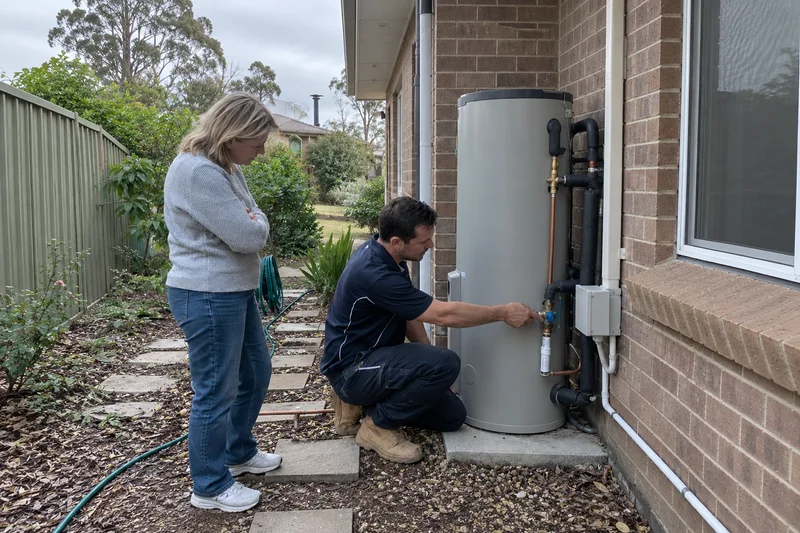
- Ask at the peak. The moment the job wraps and they're standing in front of the fixed thing is the top of their satisfaction curve. A request a week later is asking a cooler person for the same favour.
- Make it one tap. Text a direct link to your Google review box. If they have to search for you, you've lost most of the middle right there.
- Keep the ask human. "Thanks for having us out today. If you have a moment, please share your experience in a Google review. Your feedback helps other customers choose." That's the whole script. Don't dress it up.
- One reminder, a few days later, then stop. The nudge catches the people who meant to. A second nudge starts spending goodwill you just earned.
- Reply to every review. Two warm sentences, never copy and paste. Answer the critical ones promptly and like an adult, because a well-handled complaint, read by the next fifty people comparing you, does more for trust than another five stars. People want to see how you behave when something went wrong.
| When | What happens | Who does it |
|---|---|---|
| Job marked complete | Thank-you text with a one-tap review link | The system, in your wording |
| A few days later, no review | One friendly reminder | The system |
| After the reminder | Nothing. The ask stops here | Nobody |
| Review arrives | Flagged for a personal reply | You or a named person on the team |
| Critical review arrives | Flagged straight away, with the job history attached | You |
What will get your profile in trouble
Don't buy reviews, don't recruit your mates, don't trade discounts for stars, and don't write them yourself under a cousin's name. It's against Google's rules, and the consequences can land on the whole profile, which means one shortcut can undo years of real reputation.
The upside is that the rules reward the business doing it properly. Your dodgy competitor can't shortcut the wall of reviews either. The only way through is real customers, properly asked.
A happy customer who was never asked leaves no trace. To the next homeowner comparing you, that job might as well not have happened.
The gap between knowing and doing
Everything above is simple. But after a full day on the tools you will not be composing thank-you texts at 6 pm. By Thursday the routine is gone, and so is the quiet middle.
So the ask belongs in the system that finishes a job. In the Google review request systems we build, the review request fires when the job is marked complete, the reminder follows on its date, and every review that comes in gets routed to a person for a reply. The same system that gives every customer the same first week also gives them the same last day, whoever was on the job.
Your count climbs while you work, on reviews from real customers who were asked properly. That's the only kind worth having.
Use the same invitation, whatever the feedback.
Do not ask customers to score their experience privately and only show the Google link to those who score highly. Invite genuine customers consistently, without incentives or pressure to leave a particular rating. A complaint still deserves a human response and does not remove the option to leave a review.
These rules follow Google's policy on fake engagement and rating manipulation. Our review automation service applies the request and stop rules consistently.
See the system in action.
Try the enquiry follow-up system on your own phone. Add your details, answer a few questions and see the response arrive.