

Answer a few questions and try the response on your own phone.
See automated follow-up in action.
See what happens when an enquiry gets a reply while you're busy with the job. Add your details and watch the response arrive on your phone.
It's the same system we use in our own business, built around the way you work.
- A real response from the system
- No obligation to book anything
A CRM is one place that remembers every customer and follows up every quote so you don't have to. Think of it as the office manager you haven't hired yet, working nights and weekends, in software form. It only works if someone sets it up around how your business actually runs and keeps it that way.
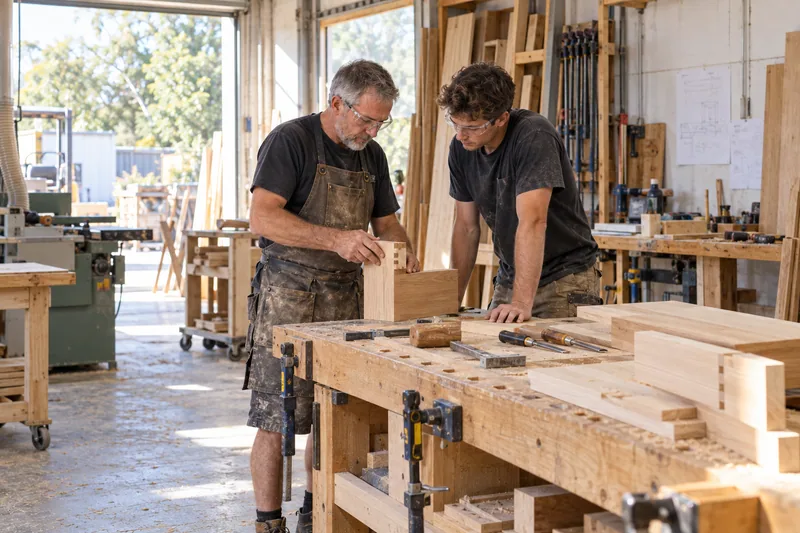
The letters stand for "customer relationship management", which explains nothing and scares everyone. Here’s what it means in practice. one place that remembers every customer, every conversation and every quote, so nothing in your business depends on anyone's memory. Every call, every price, every "leave it with me" ends up there, in order, where anyone on the team can read it.
That's the entire concept. From here on let's just call it the one place.
Where your customer history lives right now
It's your phone, a notebook in the ute, a few inboxes, some texts from customers whose names you didn't save, and your memory. That setup works surprisingly well, right up until the week you get busy.
Busy is precisely when memory drops things. Not the cheap things either. Memory has a talent for dropping the $8,000 quote and remembering the $80 one.
What actually changes, day to day
- "Did we get back to them?" gets an answer in four seconds. Every enquiry, message and reply sits in one place, in order. You stop reconstructing history from a handful of apps and a feeling.
- Quotes follow themselves up. Send a quote and the system follows it up politely until there's a yes, a no, or a please-stop. In my experience this one change wins back more work than any ad campaign, because the work was already quoted. It just needed someone to keep it moving. The cadence that works is in how to follow up quotes without chasing people.
- The March customer who said "after winter" hears from you in spring. Not because you remembered. Because the system did.
- Someone can finally cover for you. Take an actual holiday. Your partner or your apprentice opens it up and sees where every job sits. When we did this at our gym it was the first time in years the place ran a week without a phone call to the owner.
What a CRM won't do
It won't fix bad work or a suburb with no demand. It also won't run itself, and this is the part the software ads skip. Someone has to set it up around your actual business, write the messages, connect the phone and the calendar, and keep it tuned as the business changes.
An empty system helps nobody. One nobody updates is worse than none, because you trust it. A subscription bought with good intentions can be quietly abandoned within a few months. So who sets it up and who keeps it running matters far more than which brand you pick.
The habit of keeping records has to be built into the way work moves. If updating it is an extra job someone does at the end of the day, it lasts about a fortnight.
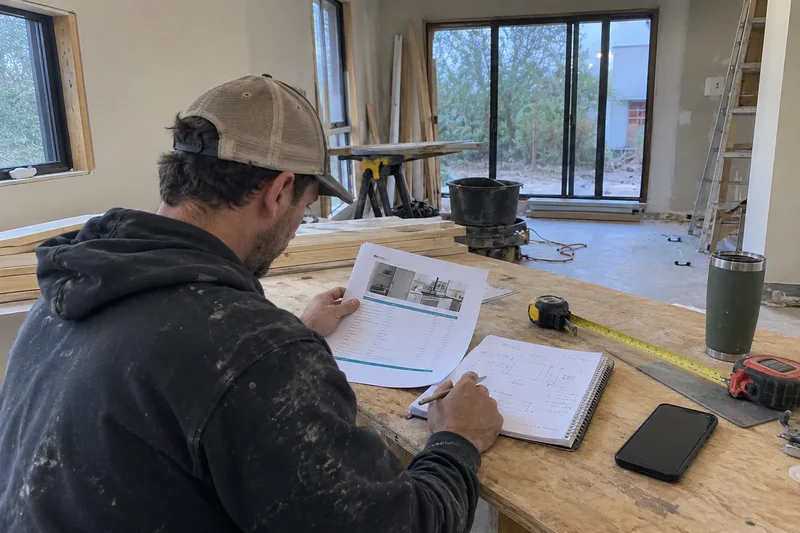
The two-question test
Skip the feature comparisons. Ask yourself these instead.
- In the last month, did a quote go unchased or a call go unreturned?
- If you took two weeks off, would anything fall over?
If either answer is yes, the business has outgrown your head. You're running a growing business on a memory built for a smaller one, and it drops work at exactly the rate you grow.
Where it sits in the bigger picture
On its own, one place for every customer is a better filing cabinet. It starts earning its keep when it handles replies, captures the details once and keeps quotes and follow-up moving. You approve the quote. The system does the chasing.
That's what we build as a sales and enquiry system, with the one place at the centre of it, set up around the tools you already use where they're doing the job. If you'd like to see what's currently slipping through, a systems map writes it down.
When you want the workflow built for you.
This guide explains the process. Our CRM setup for tradies service covers configuration, testing and ongoing ownership around the tools your business uses.
See the system in action.
Try the enquiry follow-up system on your own phone. Add your details, answer a few questions and see the response arrive.