

Answer a few questions and try the response on your own phone.
See automated follow-up in action.
See what happens when an enquiry gets a reply while you're busy with the job. Add your details and watch the response arrive on your phone.
It's the same system we use in our own business, built around the way you work.
- A real response from the system
- No obligation to book anything
Barely. When a system is built properly, it does the data entry and the remembering, so there isn't much left to train. Your team learns to check one place instead of five. The rest of the handover is a short walkthrough with the people who'll use it, plus a written "how we do it here" they can look up instead of asking you. Our gym's weekend casuals picked it up in a shift, and nobody has read a manual.

This is the question I get asked most, and it's rarely about training. It's scar tissue. Nearly every owner who asks it has bought software before, watched the team politely ignore it, and ended up paying every month for an app they’re the only person using.
So they hear "new system" and picture themselves running lunchroom tutorials for people who didn't ask. Fair fear. Wrong picture, at least for the way we build.
The weekend casual test
Our gym, Fit For Life in Melbourne, runs on the same systems we build for clients. Like every gym, some shifts are covered by young casual staff. The system doesn't care who's rostered on. Enquiries get answered, missed calls get a text back, trial sessions get booked, and the casual on the desk sees all of it in one place with each person's history attached.
Nobody trained them beyond "everything's in there, read it before you reply." That was the training.
If the Saturday teenager can run it without a manual, your team will be fine. If a system needs more instruction than that to survive a Saturday shift, the system is the problem, and the people are being asked to cover for it.
What your team never has to do
- Enter data. Calls, messages and enquiries log themselves against the right customer. Nobody types up notes after a ten-hour day, because unentered data is how these things die.
- Remember follow-ups. Quotes and enquiries get followed up on a schedule. Follow-up stops being a job someone can forget, because someone always forgets.
- Learn software for its own sake. No modules and no laminated cheat sheet by the phone. The complexity lives on our side of the fence.
- Ask you where something is up to. The answer is in the system, where anyone on the team can read it.
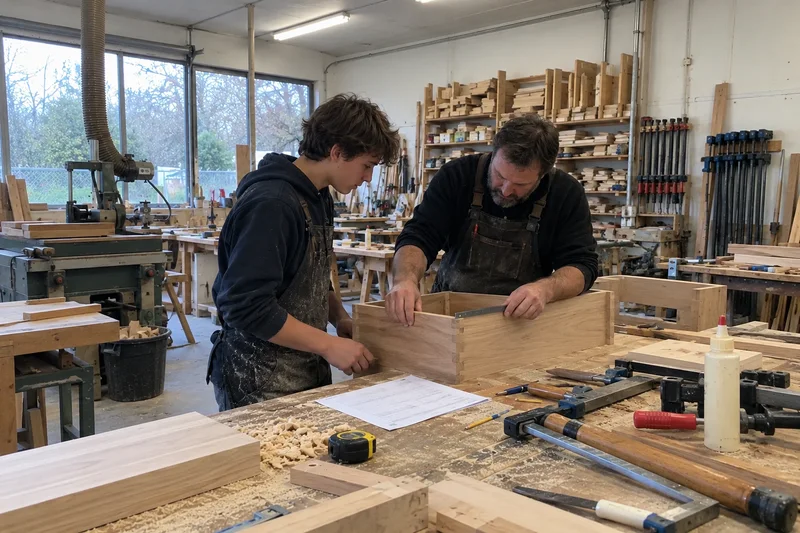
The one habit your team changes
Everything lands in one place. Website enquiries, missed-call conversations, social messages, the lot, each with the customer's history attached. Instead of checking five apps and cross-referencing a feeling, your team checks one place and knows.
That's also why it sticks. Staff protect things that make their day easier and quietly abandon things that don't. If the person on the front desk doesn't end their shift with less to carry, no amount of training will save it.
What handover looks like, step by step
Handover runs through the whole build rather than landing on the last day, and it happens with the people who'll use the system as well as with you.
| Step | What happens | Who's involved |
|---|---|---|
| Map | We sit with you and the team and write down how the work runs today, including the workarounds nobody admits to | You and the people who do the work |
| Build and test | Everything is tested against real scenarios from your business before a customer touches it | Us, with your team checking it against reality |
| Approve | You read and approve every automated message, so nothing goes live sounding like a robot wearing your shirt | You |
| Walkthrough | One plain-English session with the team. Under an hour, usually well under | The people who'll use it |
| Live and tuned | We watch the first weeks closely and adjust to what the real conversations teach us | Us, reporting back to you |
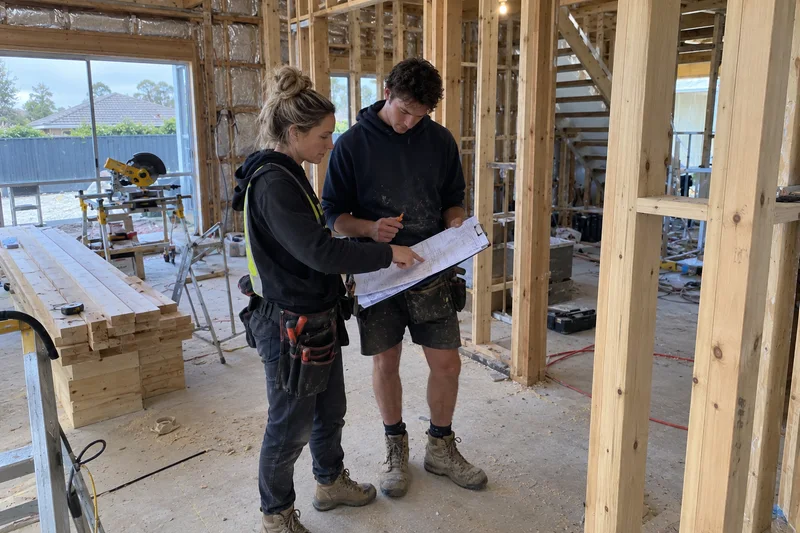
The written part matters more than the walkthrough
A walkthrough fades. What stays is a written guide to handling enquiries, welcoming customers, approving quotes and dealing with complaints. That's process documentation, and it's what lets the next new hire get useful in weeks rather than months.
It also changes who answers the questions. In most owner-led businesses, the answer to half of them is "ask the boss". Once it's written down and kept current, the answer is "it's in the how-to", and you get your afternoons back.
The question underneath the question
Will this become one more thing to manage? With most software, yes. That's why the last app died.
With a system we build and then keep running, the answer is no. We maintain it and fix it when something drifts, because a system nobody maintains slides back into somebody's memory within a year. Your team gets one place to look and a written way of doing things. You get to stop being the manual.
See the system in action.
Try the enquiry follow-up system on your own phone. Add your details, answer a few questions and see the response arrive.